How to choose AR display glasses: brightness, field of view and compatibility
Nits, field of view, resolution, tracking, compatibility and comfort: a plain-English guide to buying AR display glasses, with four RayNeo picks from $199 to $429.
PulseWizer is reader-supported. We may earn a commission if you buy through links on this page. How we make money.
RayNeo Air 3s Pro AR Glasses
4 products compared in this guide.
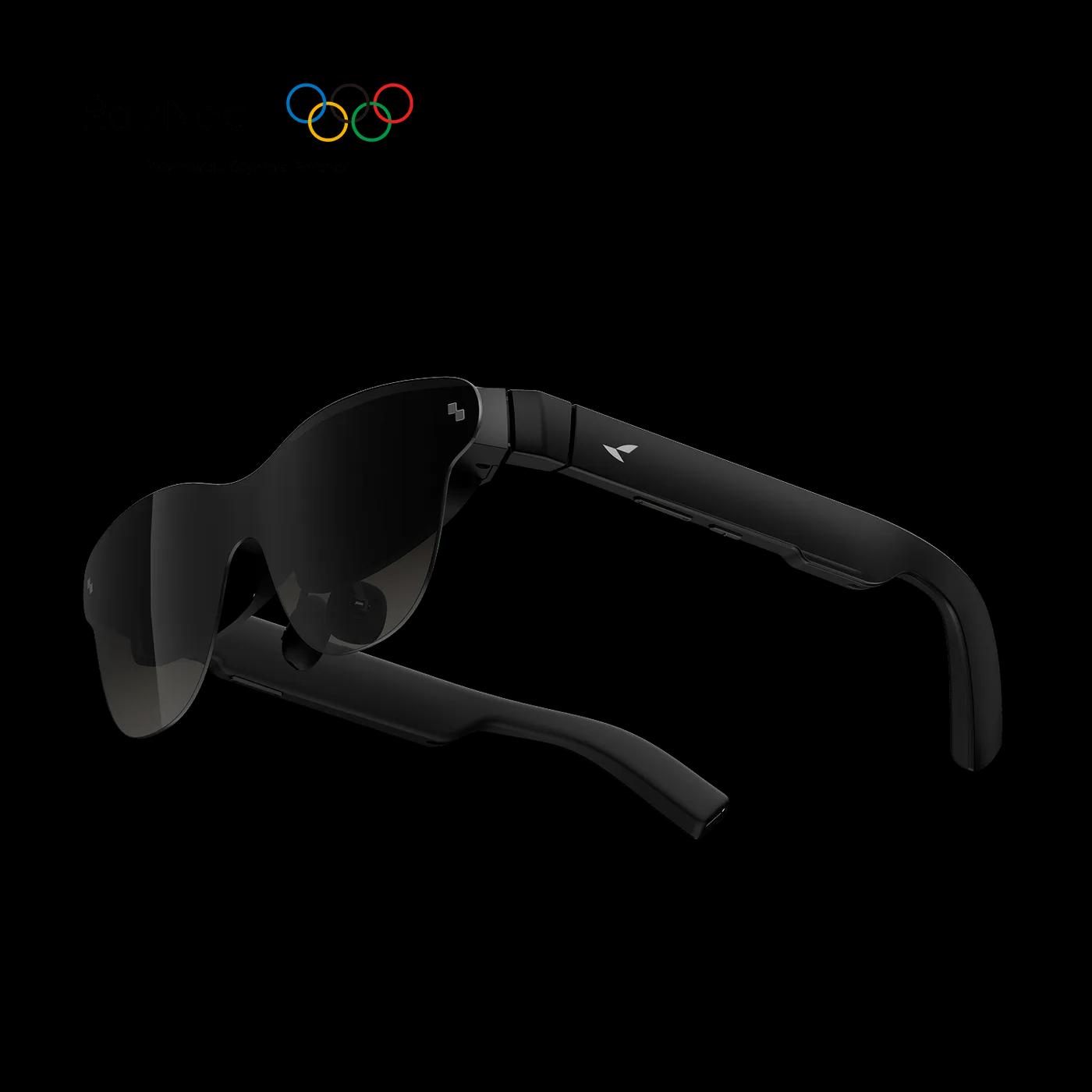
Display glasses promise a giant private screen anywhere, but specifications such as nits and field of view are easy to misread. This guide covers what to look at, then picks four products from RayNeo using prices on its store on 14 November 2026. We have not tested these products; our details come from RayNeo's listings and published reviews (Tom's Hardware, PhoneArena, 3DTested, Wareable and TechRadar for the Air 3s Pro).
Our top picks
- Best overall: RayNeo Air 3s Pro AR Glasses, $279 to $299.
- Newest display glasses: RayNeo Air 4 Pro, $299 to $319.
- Best for a wider view: RayNeo GT Max, $429.
- Best companion for phone-free use: RayNeo Pocket TV Pro, $199.
How we chose
We favoured glasses with independent reviews, clear brightness figures, simple connection and a trial period long enough to judge comfort, since these are very personal devices.
Step 1: brightness (nits)
Display glasses are viewed in varied lighting, so brightness matters. RayNeo states 1,200 nits for the Air 3s Pro against 650 for the Air 3s, and reviewers report a clear improvement, with one test saying it remained visible in bright indoor lighting. Nits are manufacturer figures; read reviewers' impressions in your lighting.
Step 2: field of view and virtual screen size
A wider field of view fills more of your vision but often lowers pixel density. RayNeo's blog describes the GT Max as having a 59-degree field of view with up to a 307-inch virtual display, but notes lower pixel density, and this comes from RayNeo itself. If sharp text matters more than size, a narrower view can be better.
Step 3: compatibility
Most display glasses need a USB-C device that supports video output, or an adapter. RayNeo sells bundles with a USB-C adapter, an HDMI adapter and a Switch JoyDock, and a Pocket TV streaming box for phone-free use. Check that your phone or laptop supports video output before buying.
Step 4: comfort, fit and prescription
Weight, nose pads and temple fit decide whether you can wear them for a whole film. The GT Max comes in sizes by interpupillary distance (S below 64 mm, M 64 to 67 mm, L above 67 mm). Prescription wearers should check lens options, and note that custom prescription orders have a shorter cancellation window.
Step 5: tracking and extras
Some models offer 3DoF tracking that keeps the screen fixed in space as you move your head. This is useful on a desk but optional for lying down and watching.
Step 6: use the trial
RayNeo offers a 30-day trial from delivery with no restocking fee on qualifying returns. Use it to test comfort, brightness in your lighting and compatibility with your own devices.
Our picks in detail
RayNeo Air 3s Pro ($279 to $299)
Reviewed by several outlets for its brightness and value. See our review.
RayNeo Air 4 Pro ($299 to $319)
The newer model in the Air line; we did not find independent reviews at the time of writing.
RayNeo GT Max ($429)
A wider field of view and 3DoF tracking, per RayNeo's own blog.
RayNeo Pocket TV Pro ($199)
A streaming box for use without a connected phone.
Where to buy
See current glasses and bundles at RayNeo. We may earn a commission if you buy through that link, at no extra cost to you. More about the brand in our RayNeo overview.
FAQ
Can I wear them with prescription glasses?
Many models offer prescription options or inserts. Check the specific product page.
Do they work with a console?
Often, with an adapter or JoyDock; check compatibility for your console.