RayNeo AR glasses explained: Air, GT, X3 and iO, and what they cost
RayNeo makes display glasses for movies and gaming, plus AI smart glasses. Here is how the Air, GT, X3 Pro and iO lines differ, current prices, and how the 30-day trial and returns work.
PulseWizer is reader-supported. We may earn a commission if you buy through links on this page. How we make money.
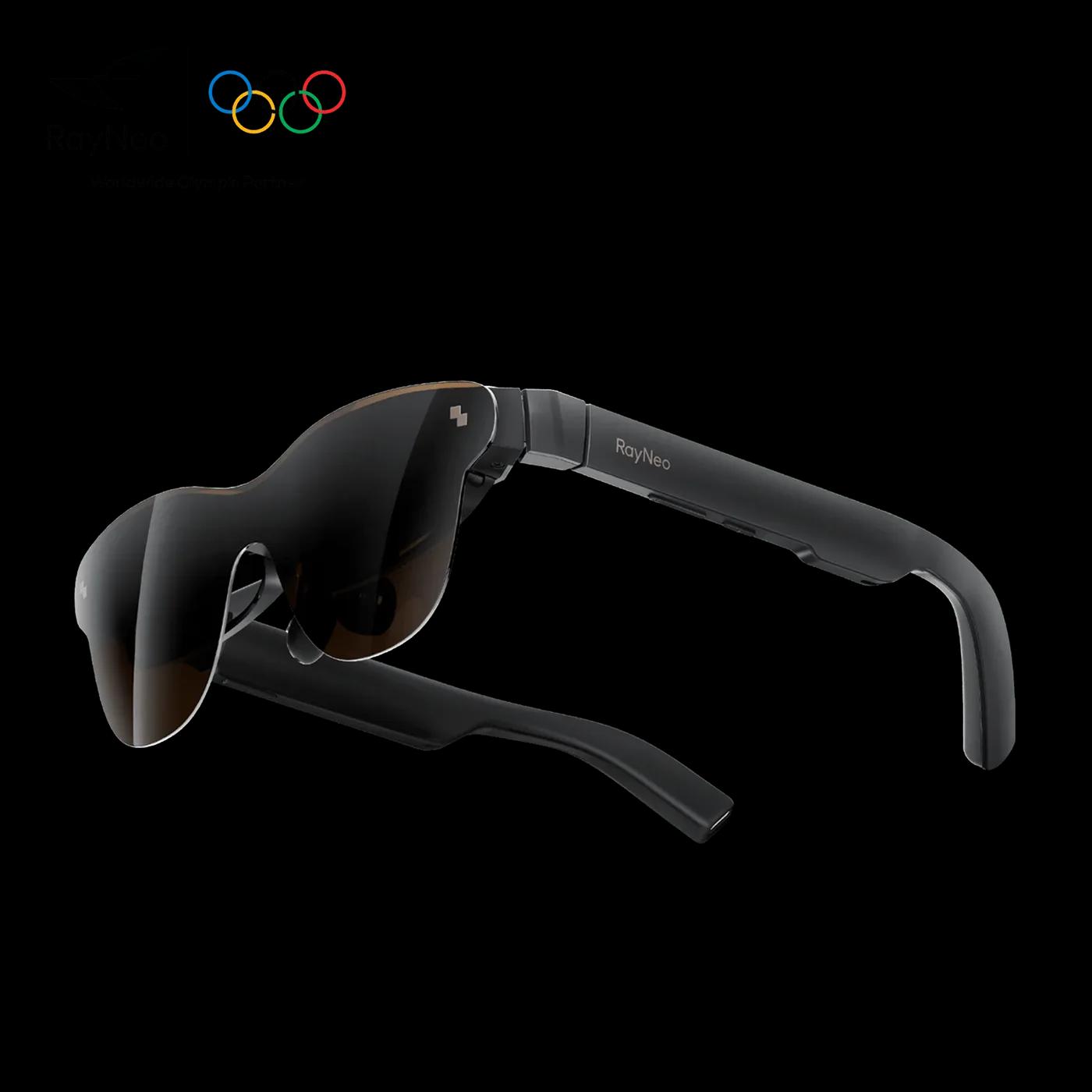
"AR glasses" can mean very different things: glasses that act as a private cinema screen for a phone or console, or glasses that overlay information while you walk around. RayNeo sells both kinds, and the names are easy to confuse. This guide explains the lines, what they cost on RayNeo's store on 14 November 2026 and how its 30-day trial works.
The lines
- Air series (display glasses). These show a large virtual screen from a phone, laptop or console connected by USB-C. The Air 3s is $269, the Air 3s Pro $279 to $299 and the newer Air 4 Pro $299 to $319. Bundles add a USB-C adapter, an HDMI adapter, a Nintendo Switch JoyDock or a Pocket TV streaming box.
- GT series. The GT AR Glasses are $329 and the GT Max $429. RayNeo's own blog describes the GT Max as having a wider 59-degree field of view, up to a 307-inch virtual display and native 3DoF tracking, which is a vendor claim.
- X3 Pro. The X3 Pro AI+AR glasses are $1,299, aimed at AI and display use on the go.
- iO smart glasses. The iO is $499 with prescription lenses ($549 with a charging case), styled like ordinary eyewear while showing phone notifications and AI features.
- Pocket TV and Pocket TV Pro ($129 and $199) are streaming boxes that let the glasses play video without a phone connection.
What reviewers say
The Air 3s Pro is the best-reviewed model we found. Tom's Hardware reviewed it, PhoneArena called it awesome XR glasses at a great price, 3DTested called it a meaningful usability upgrade, and Wareable and TechRadar have also published reviews. The headline change is brightness: RayNeo states 1,200 nits for the Air 3s Pro against 650 nits for the Air 3s, and reviewers say the difference is clearly visible, with one test finding it the only AR glasses that stayed clearly visible in bright indoor lighting. Nit figures are manufacturer claims, so look for the reviewers' own measurements.
What you need to use them
- A phone, laptop or console that supports video output over USB-C (check compatibility on RayNeo's page), or an adapter or Pocket TV.
- For prescription wearers, check lens inserts or prescription options.
- An IPD size where required: the GT Max, for example, is sold in S, M and L sizes by interpupillary distance.
Returns and trial
RayNeo's refund policy (effective November 11, 2026) offers a 30-day trial for eligible purchases from its official stores: you can request a return or exchange within 30 days of delivery, and qualifying returns receive a refund of the amount paid with no restocking fee. Custom prescription orders follow a shorter 24-hour change-of-mind rule, so check before ordering prescription lenses. Remote delivery addresses may take an extra 3 to 7 business days, and import charges can apply depending on where you live.
Who they suit
Frequent travellers, gamers and anyone who wants a private big screen. They are not a replacement for a good TV if you want comfort over long sessions, and brightness, field of view and weight all matter.
Our take
RayNeo's Air series has strong reviews and a risk-free trial window. Start with the Air 3s Pro or Air 4 Pro for display use, and consider the GT or iO lines only if their different features matter to you. See the range at RayNeo. We may earn a commission if you buy through that link, at no extra cost to you.
Keep reading: our AR display glasses buying guide, RayNeo Air 3s Pro vs XREAL One and the Air 3s Pro review.